Understanding Samsung Micro RGB Technology
The advent of Samsung’s Micro RGB technology marks a significant leap in display innovation, providing unprecedented viewing experiences characterized by vibrant colors and remarkable brightness. With its unique architecture, this technology is set to redefine how we perceive screens in our homes and beyond. As we dive deeper into the features and capabilities of the Samsung Micro RGB TV, it becomes clear that this isn’t just another upgrade but a revolutionary approach to visual technology.
What is Micro RGB Technology?
Micro RGB technology is a cutting-edge display method that utilizes a unique combination of micro-LEDs to produce colors with superior accuracy and brightness. Unlike traditional LED or even OLED technologies, Micro RGB employs a matrix of individual pixel elements that can emit red, green, and blue light independently. This allows for precise control over color and brightness at an unprecedented level, leading to deeper blacks and more vivid colors across a broader spectrum.
Key Features of Samsung Micro RGB TVs
- Ultra High Resolution: With resolutions that often extend beyond 8K, the clarity of images is breathtaking, providing viewers with lifelike detail.
- Enhanced Color Accuracy: The individual pixel control results in exceptional color reproduction, making every image as true to life as possible.
- AI-Powered Processing: Integrated AI algorithms optimize content in real-time, adjusting brightness and contrast dynamically for the best viewing experience.
- Glare-Free Viewing: The innovative display technology minimizes reflections, enhancing visibility even in bright environments.
Comparing Micro RGB to Traditional Displays
Traditional displays often rely on backlight technology, which can hinder true black levels and color accuracy due to light bleed. In contrast, Micro RGB’s self-emissive technology means that each pixel can turn on and off independently, resulting in perfect blacks and a color palette that is significantly more extensive. This direct comparison reveals that Micro RGB stands not only as an upgrade but as a new standard in the realm of home entertainment.
Benefits of the Samsung Micro RGB TV
Enhanced Color Accuracy and Brightness
One of the most significant advantages of Samsung’s Micro RGB TV is its remarkable color accuracy and brightness. The ability to emit specific wavelengths of light allows for a level of precision that simply cannot be achieved with standard LED technologies. This results in images that pop with life and vibrancy, making it an ideal choice for movies, gaming, and any content where visual fidelity is paramount.
AI-Powered Features for Optimized Viewing
Equipped with AI capabilities, the Samsung Micro RGB TV enhances your viewing experience by automatically adjusting settings based on the content type and ambient light conditions. This means whether you’re watching a dark thriller or a brightly lit sports event, the TV will optimize contrast and brightness for the best possible picture. This feature not only enhances enjoyment but also reduces eye strain during prolonged viewing sessions.
Design Innovations for Modern Homes
Samsung has seamlessly integrated its Micro RGB technology into ultra-slim designs that complement modern aesthetics. The minimalist design, along with bezels as thin as possible, allows for a more immersive viewing experience, drawing viewers into the action without distractions. The sleek appearance of these TVs ensures they fit naturally into any home decor, making them not just a piece of technology but also a stylish furniture element.
Choosing the Right Samsung Micro RGB TV for Your Needs
Different Sizes and Models Explained
Samsung’s Micro RGB lineup comes in various sizes, ranging from compact models suitable for smaller rooms to massive screens ideal for home theaters. Understanding the size options available is crucial when selecting a TV that fits both your space and viewing preferences. For instance, a 115-inch model can make a stunning centerpiece for a dedicated home theater, while a smaller 55-inch model might suit a cozy living room.
Recommended Use Cases for Home Theaters
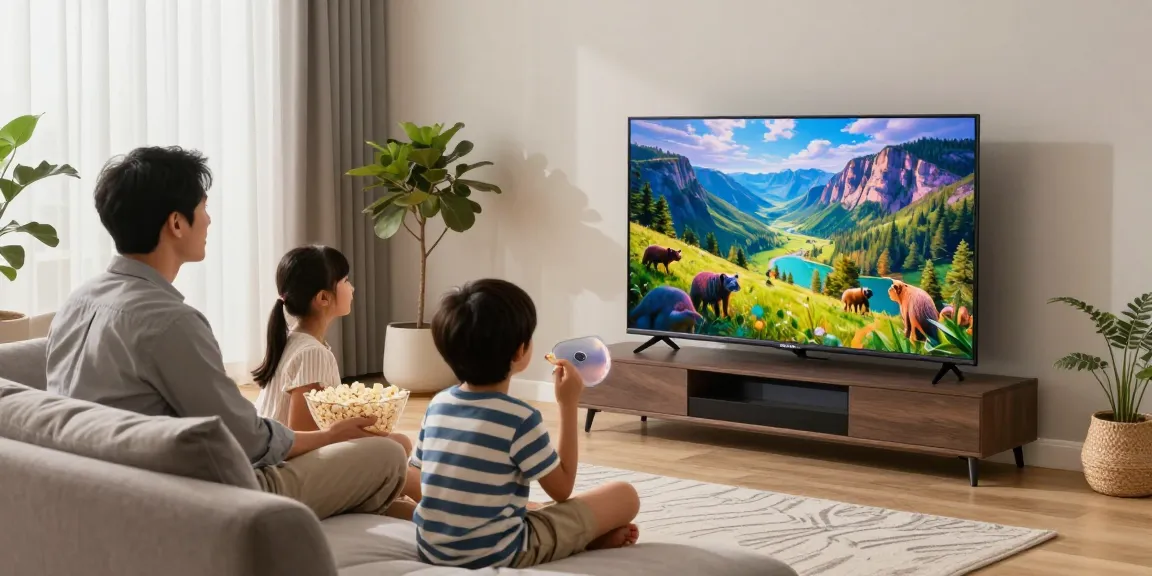
For the ultimate cinematic experience, a Samsung Micro RGB TV shines in large home theater setups. Its superior picture quality is perfect for movie nights, while its vibrant colors and high contrast make it an excellent choice for gaming, providing immersive worlds that captivate players. This technology excels in environments where picture quality is critical, encouraging home entertainment enthusiasts to invest in a truly transformative viewing experience.
Budget Considerations and Value
With prices starting around $30,000 for the entry-level models, it’s essential to weigh the benefits of Micro RGB technology against your budget and viewing habits. While these TVs represent a premium investment, their innovative features and performance may justify the expense for serious home cinema aficionados. Understanding the long-term value of enhanced viewing experiences can help in making informed buying decisions, ensuring you invest in technology that delivers satisfaction for years to come.
Setting Up Your Samsung Micro RGB TV
Optimal Viewing Distance and Room Setup
To maximize the viewing experience, consider the optimal viewing distance based on the screen size. Generally, for a Micro RGB TV, the recommended distance is about 1.5 to 2.5 times the height of the screen. For example, if you’re viewing a 75-inch model, sitting about 8 to 12 feet away will provide an immersive experience without compromising picture quality. Additionally, arranging seating to avoid glare will help enhance viewing comfort during long sessions.
Connecting Smart Devices and Accessories
The Samsung Micro RGB TV is designed to connect seamlessly with various smart devices, enhancing functionality. Using its built-in platform, users can easily connect streaming devices, game consoles, and sound systems for a comprehensive entertainment setup. Ensuring that your Wi-Fi network is robust and adequately positioned will allow for uninterrupted streaming and gaming experiences, ultimately heightening enjoyment.
Troubleshooting Common Installation Issues
Setting up a new TV can sometimes lead to unexpected challenges. Issues such as screen calibration, network connectivity, or even sound configuration may arise. Familiarizing yourself with the troubleshooting guidelines provided in the user manual can help resolve these issues promptly. Additionally, engaging with Samsung’s customer service or community forums can offer insights and solutions shared by other users facing similar challenges.
The Future of Home Entertainment with Samsung Micro RGB TVs
2026 Trends in Display Technology
As we look towards 2026, there is much anticipation surrounding the evolution of display technologies. Samsung’s Micro RGB TVs are positioned at the forefront of these advancements, potentially integrating augmented reality (AR) capabilities, improved resolution standards, and enhanced AI features that could further personalize and optimize user experiences. This shift is likely to set new standards in how we consume media at home.
Future Features We Can Expect
In addition to fundamental enhancements, future models of the Samsung Micro RGB TV may include features such as eye-tracking technology for automatic brightness adjustments or integration with home automation systems for seamless control. These innovations will not only improve functionality but also adapt to user preferences, enhancing everyday viewing experiences.
Impact on the Home Entertainment Industry
The introduction of Samsung’s Micro RGB technology is poised to impact the broader home entertainment industry significantly. As more consumers experience the benefits of superior display technology, the demand for high-quality TVs will shape manufacturing and development standards across the market. This shift could lead to competitive pricing, prompting other brands to innovate and enhance their offerings, ultimately benefiting consumers everywhere.